Nido Shop
The Architecture
of Quiet Rebellion
Nido began with a question:
Could design become another crop?
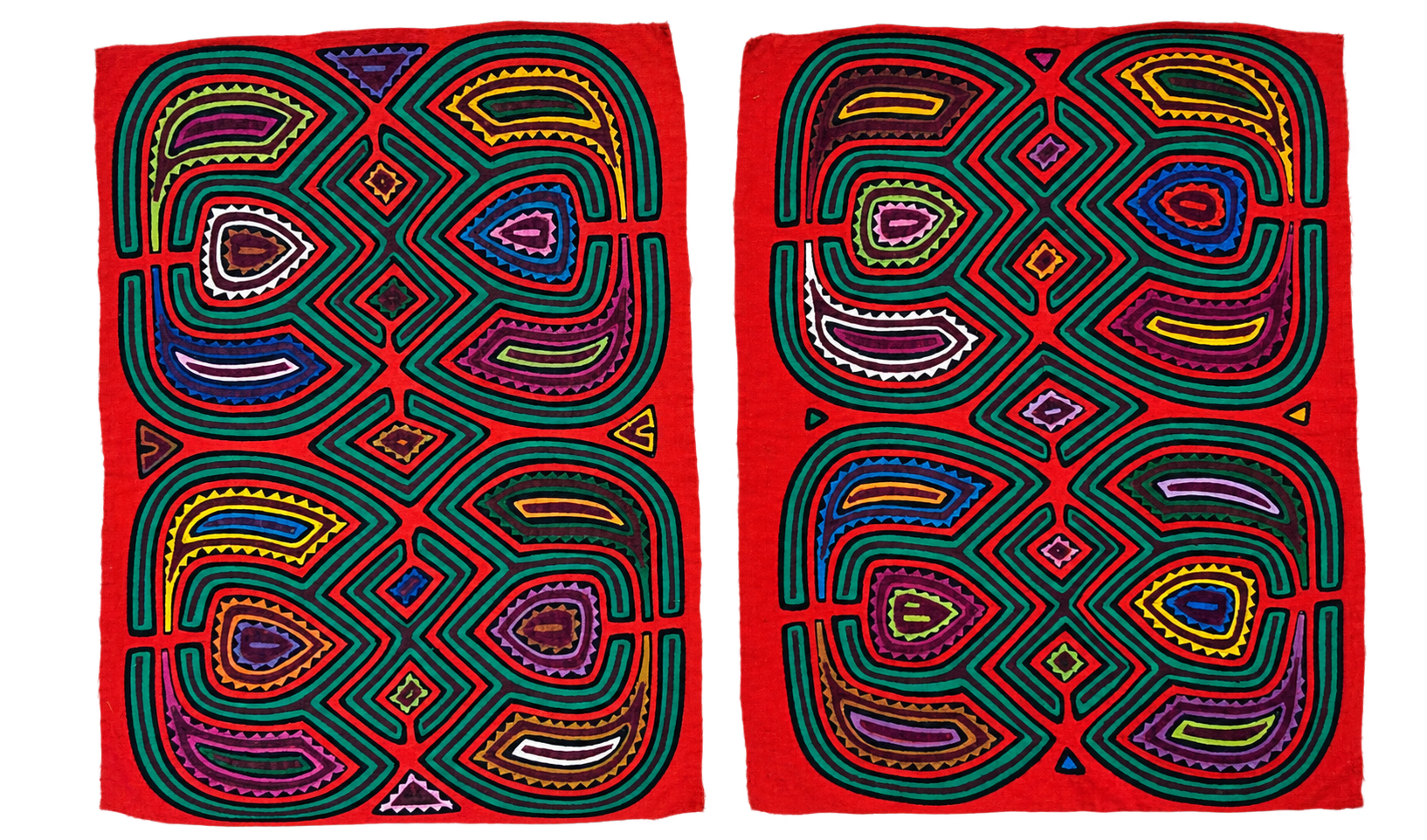
Nido connected Indigenous craftsmanship in Panama with contemporary design and new markets. The book traces the system behind that work—the Patch Economy—and how design became a form of soft power, creating opportunities that extended beyond the storefront.
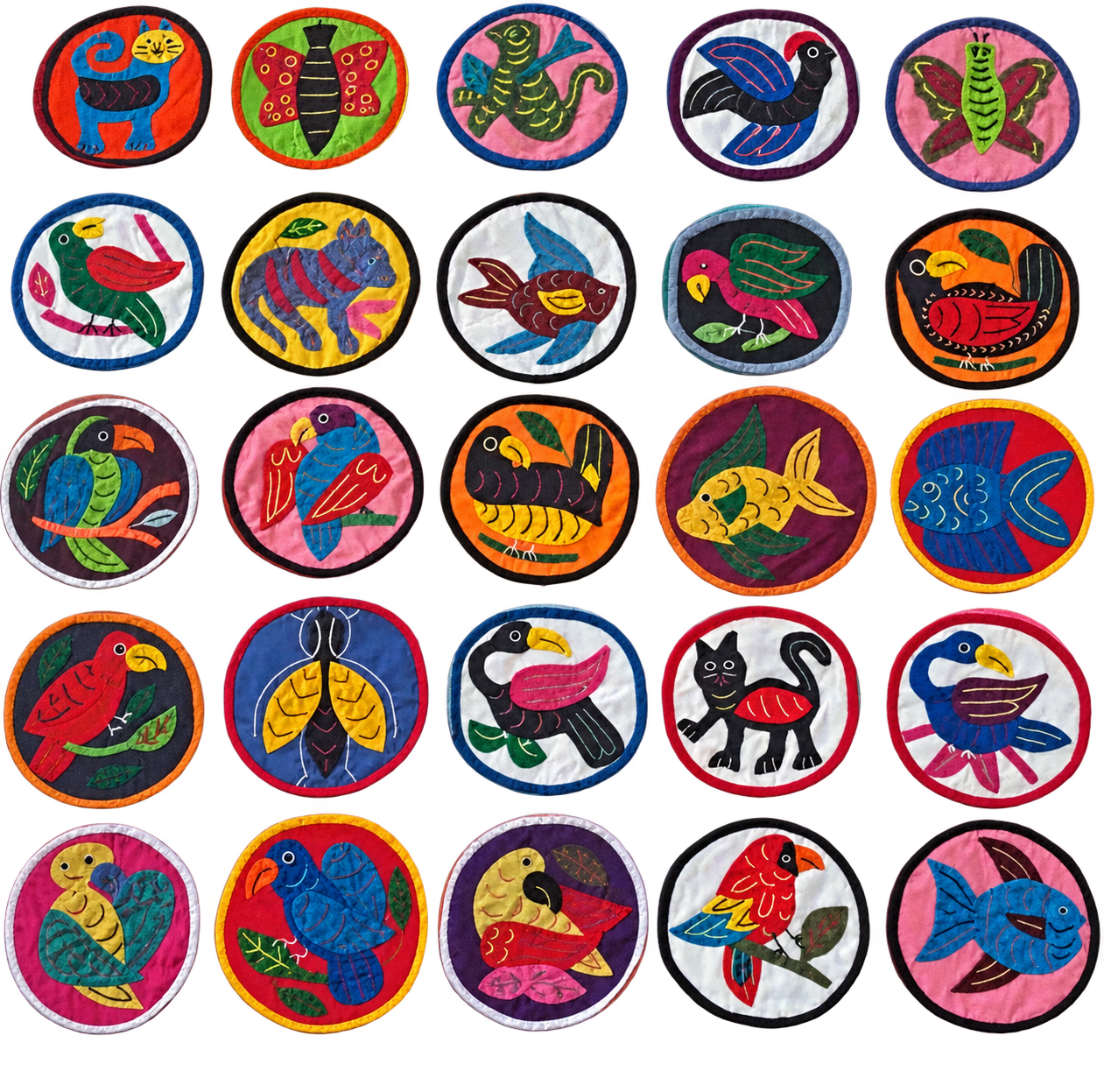
A patch offered a way into production for artisans who could not take on an entire garment or bag. It required relatively little material and could be made at home, allowing far more people to participate.
We put out the call through the network and bought every patch that came in. We created and sustained a market for patches. Artisans could keep making them, whether or not our finished pieces sold.
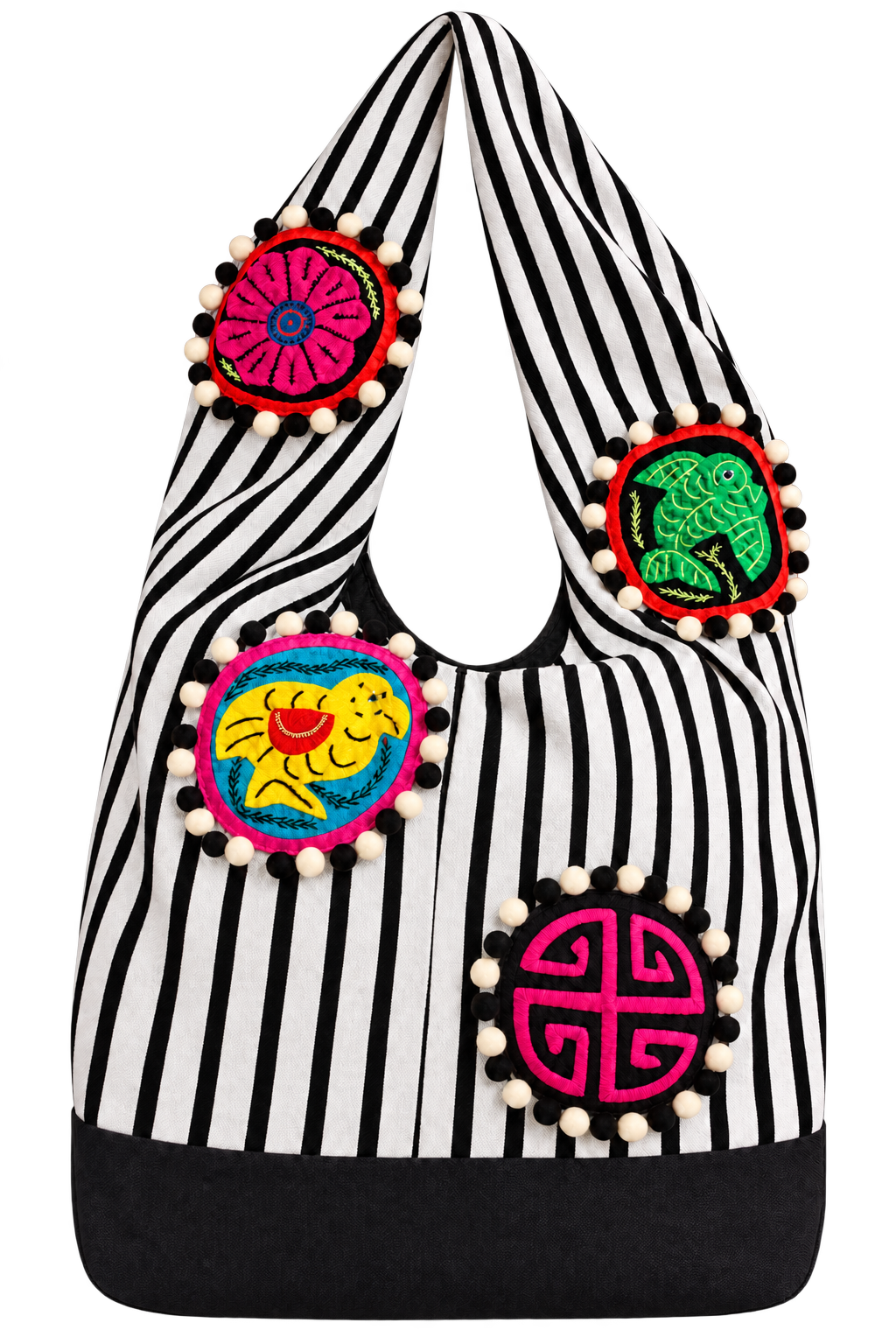
The patches moved through a network, gathered across regions, carried to the capital, and incorporated into the collections. One small handmade textile could give an entire garment or bag its distinction, increasing its value and making the craft more visible.
As those pieces sold, they generated demand for more patches and more paid work for the artisans. That continuing demand gave people a reason—and an income—to keep making.
What it was for
Raise the value of Panamanian craft within a global market.
How it worked
Connect artisan production, adaptable design, and contemporary use.
What's left
A transferable approach that reaches beyond a single garment, trend, or shop.
Read an excerpt from the book
Long before Nido, the mola already belonged to my own story.
As a child in Panama, I watched my father return from fishing trips to the San Blas Islands carrying stacks of molas. They filled our home. Some became pillows. Others remained folded in his office, where I would sit for hours unfolding them, studying the extraordinary layers of fabric, color, and design.
Following my family's political exile from Panama, those molas became enduring physical anchors to the country. Returning as an adult, integrating molas into the production line at Cooperativa El Nido was both a personal homecoming and a strategic design choice.