 01
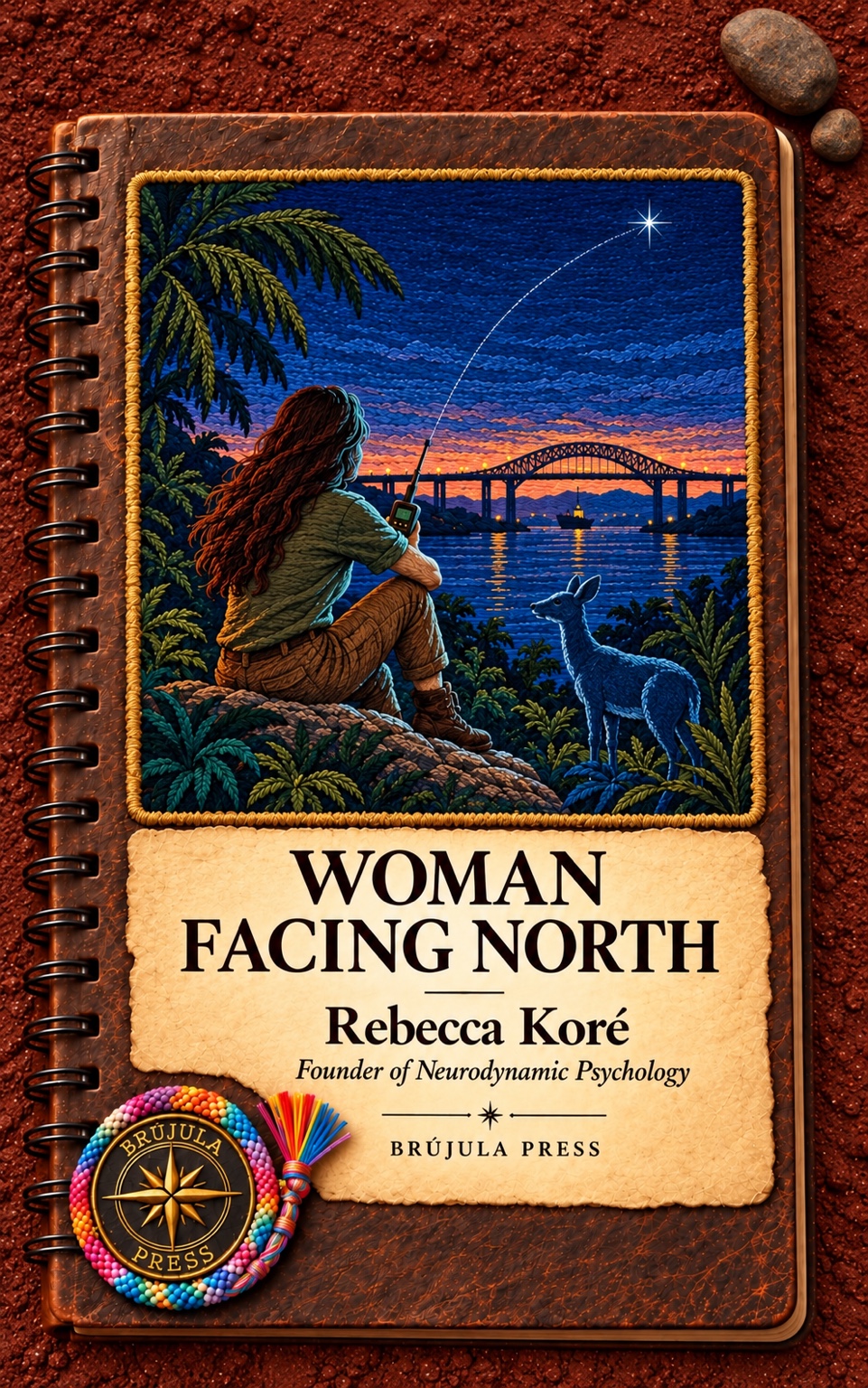
Woman Facing North
Forthcoming 2027
A short primer on orientation, how the nervous system loses and recovers its sense of where it is. The entry point to the Neurodynamic work.

Forty years of observation, including thirty-five in clinical practice. Fifteen of those years working alongside Indigenous artisans in Panama. Four books. One question runs through all of it: what interrupts the continuity of a life, or of a tradition, and what makes renewal possible?
How trauma organizes a nervous system, and what lets it reorganize.
On the pageClinical experience, sacred encounters, and cultural intervention.
In the worldAn economic project built with Indigenous artisans in Panama, through design.
Neurodynamic Psychology is a clinical framework for trauma-related neural dysfunction, developed by Rebecca Koré, MFT.
The concepts, one at a time. Each comes with a printable field guide, free to use with clients or colleagues.
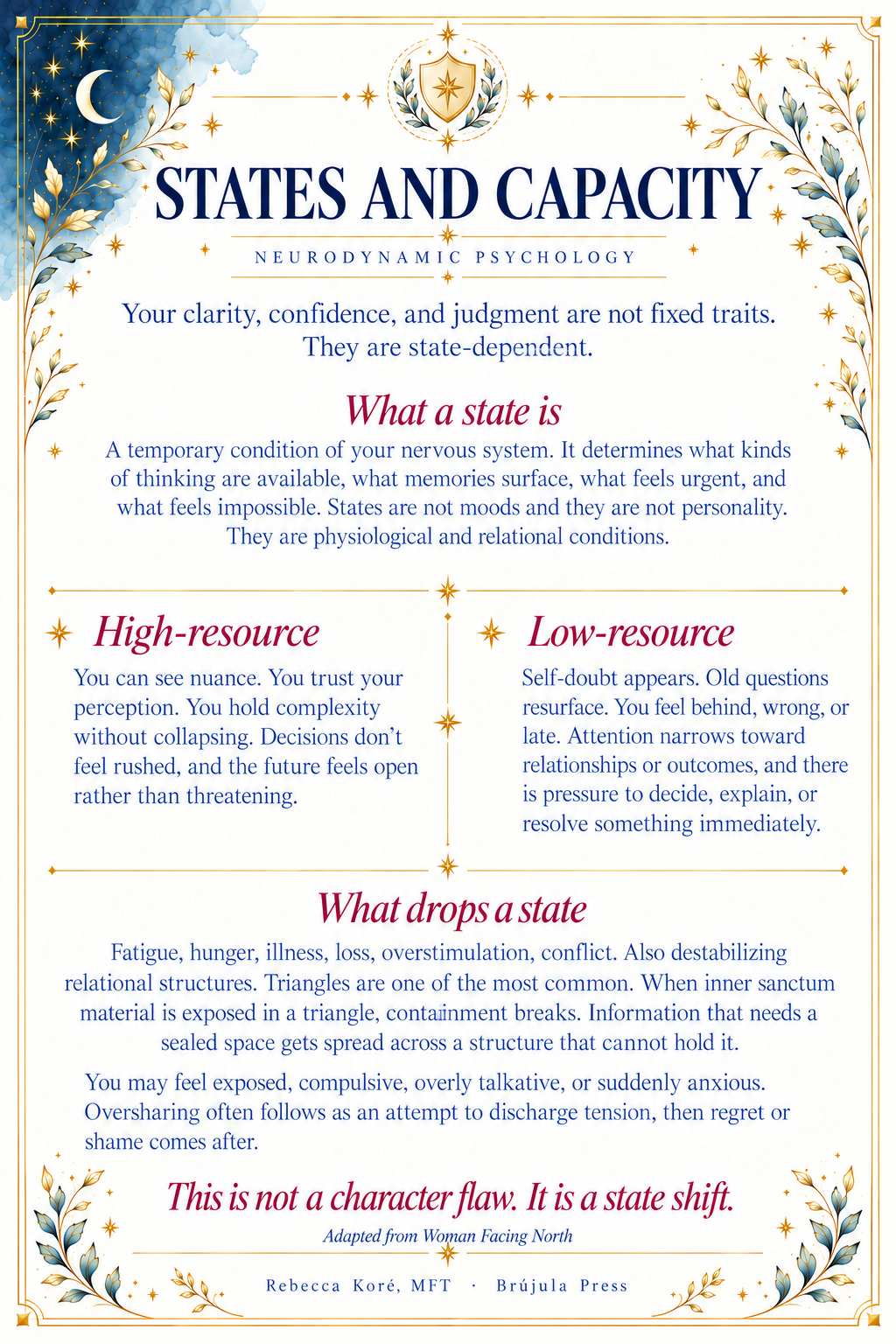
Recognizing high- and low-resource states, with a companion guide to stabilizing first.
Explore this set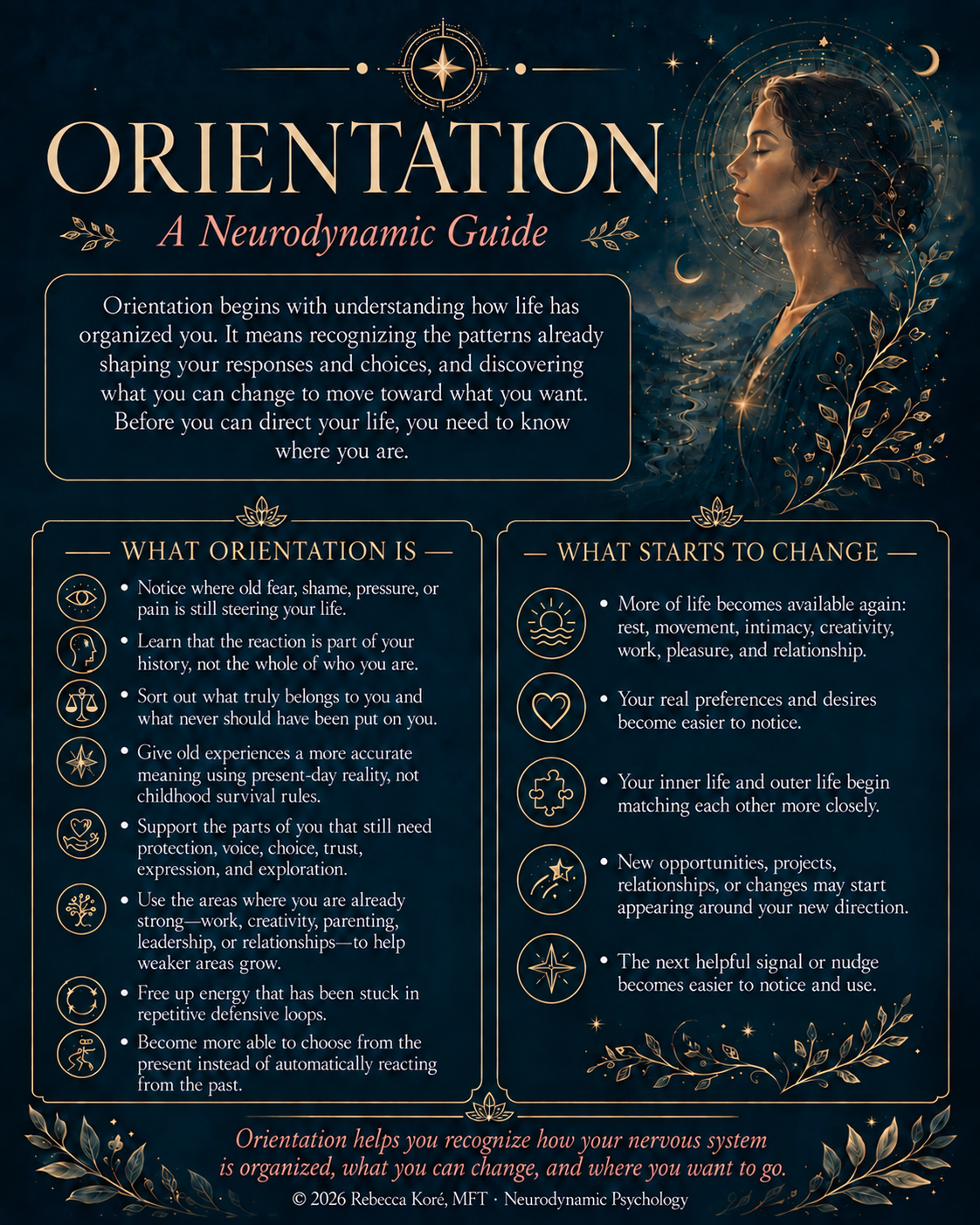
Recognizing how your nervous system is organized, what you can change, and where you want to go.
Explore this set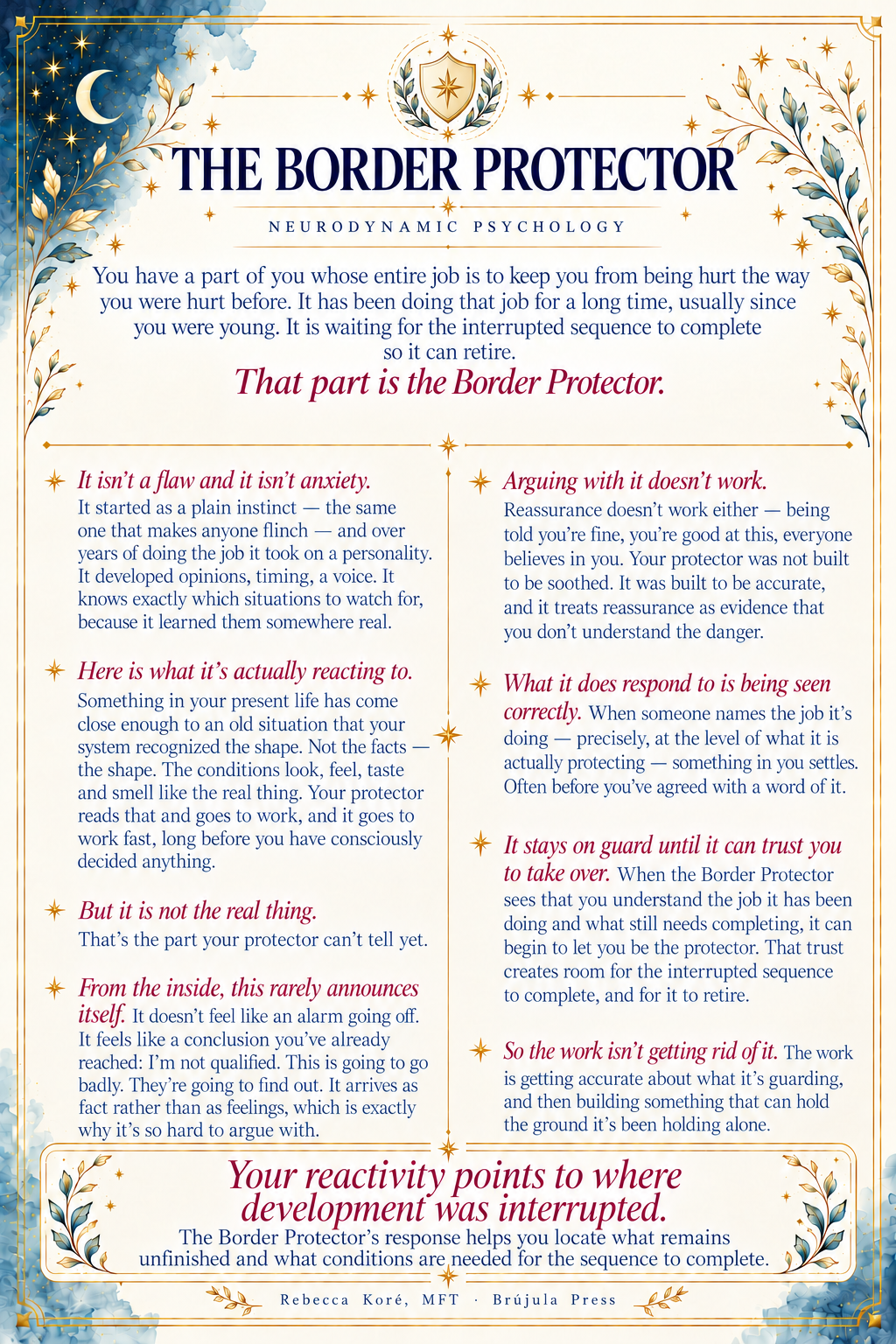
Recognizing the protector’s job, establishing trust, and creating room for the interrupted sequence to complete.
Explore this set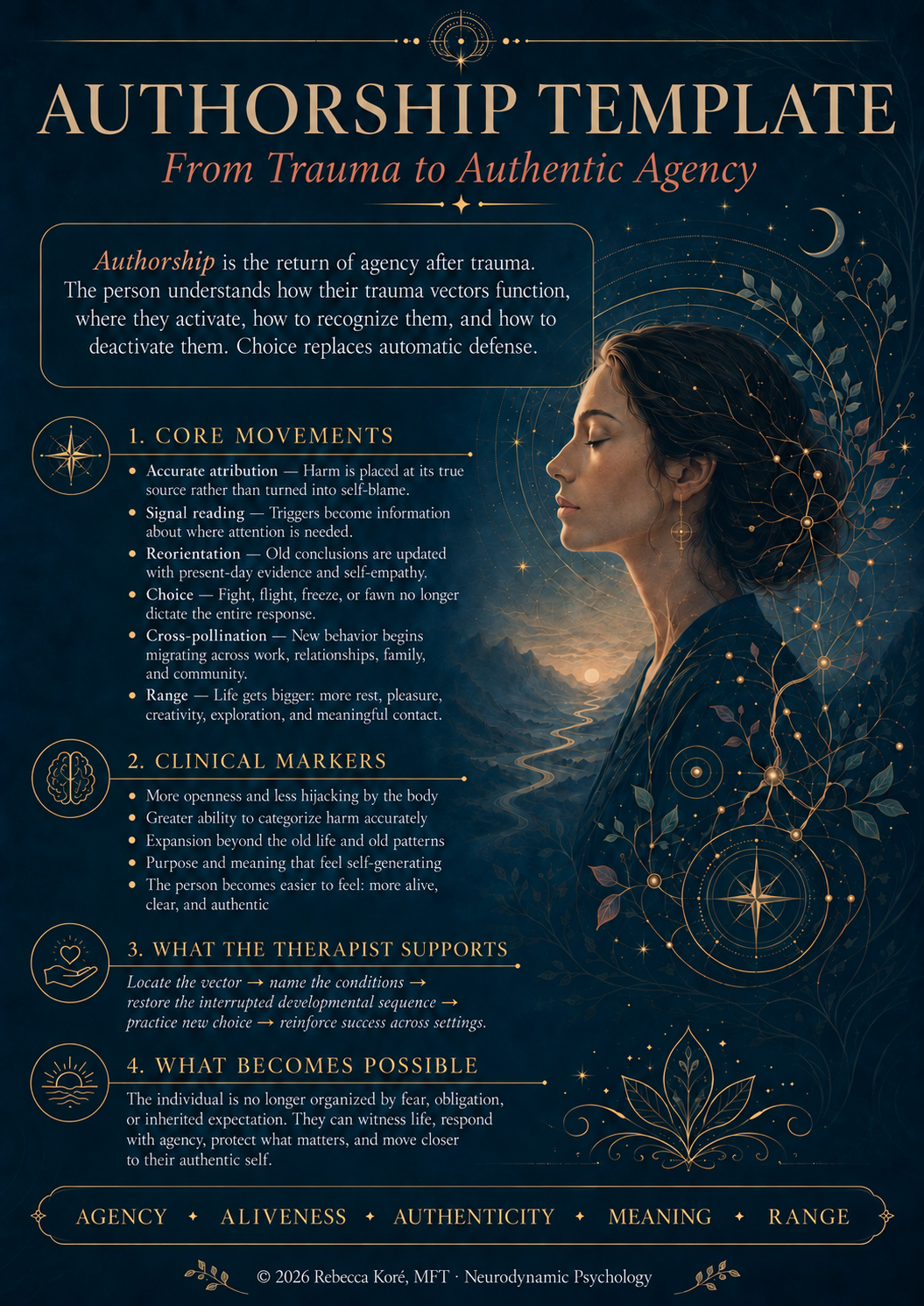
The return of agency, choice, and range after trauma.
Explore this setBrújula Press · forthcoming 2027
Four books in different registers: clinical, personal, and cultural. They share a set of ideas, not a form.
01Forthcoming 2027
A short primer on orientation, how the nervous system loses and recovers its sense of where it is. The entry point to the Neurodynamic work.
 02
Forthcoming 2027
Clinical stories exploring trauma, shame, and the recovery of authorship.
 03
Forthcoming 2027
A clinician's account of her own anomalous perception. Seventeen events recorded as they occurred, each followed by an attempt to describe what the nervous system was doing. Experience on one side, neurology on the other.
 04
Forthcoming 2027
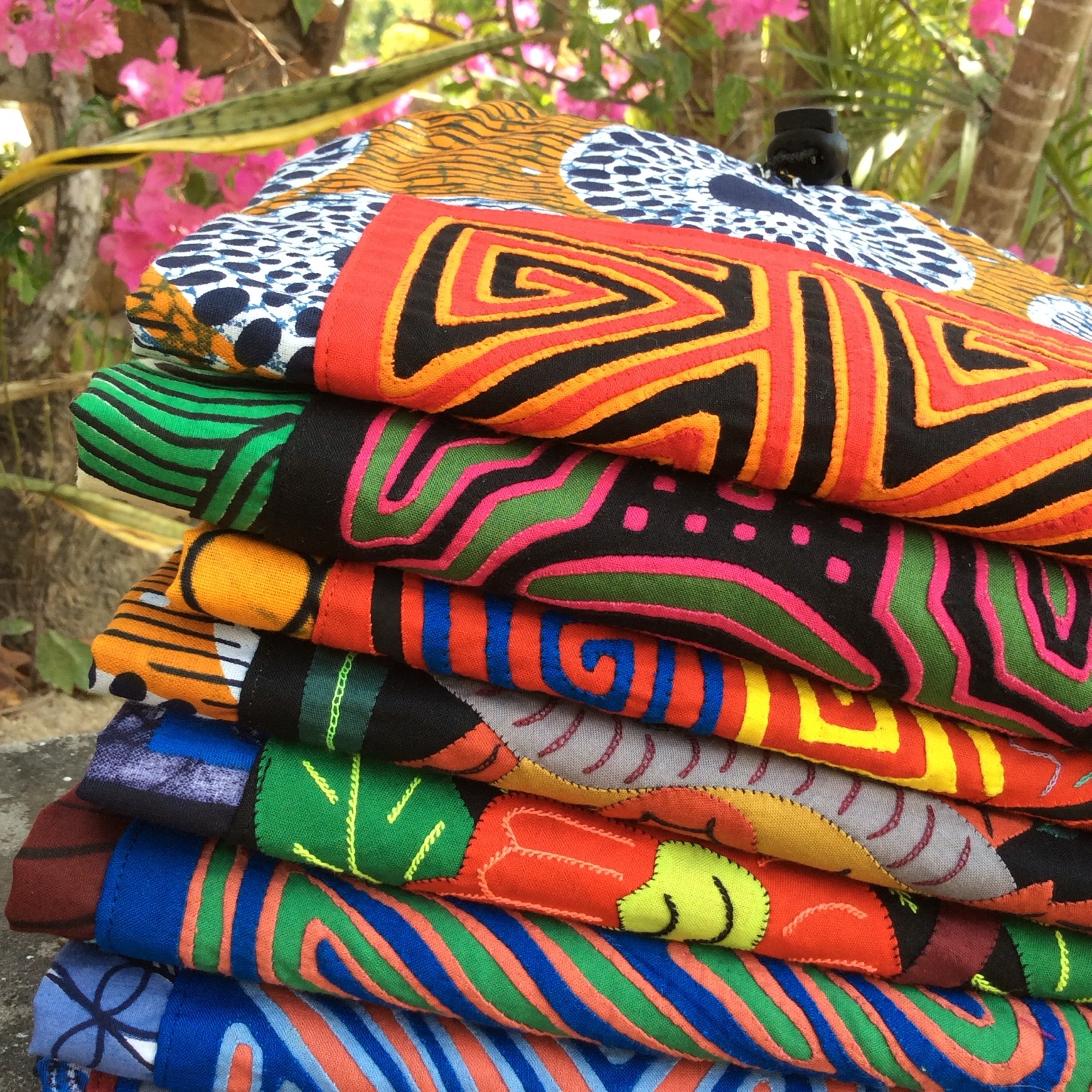
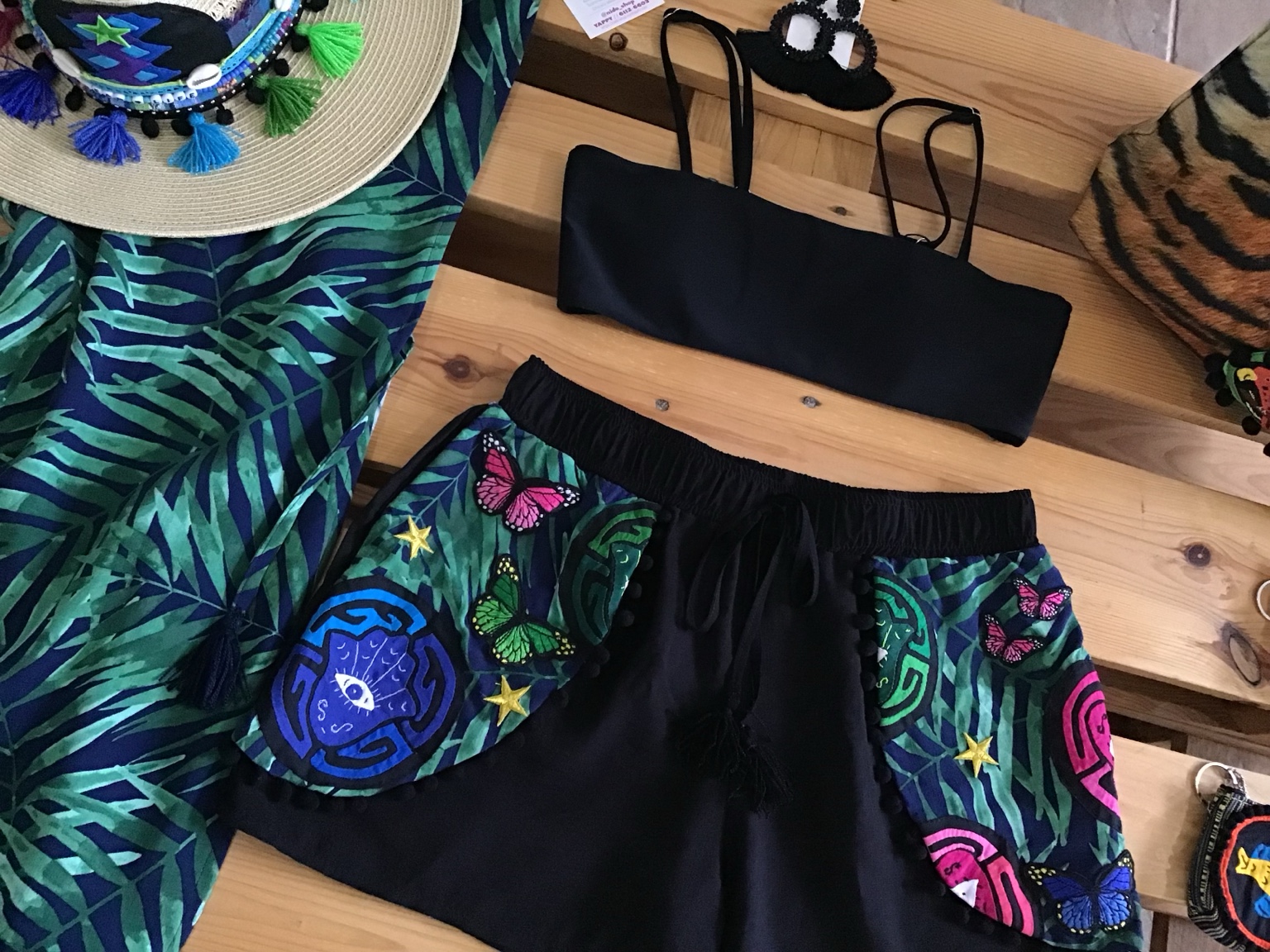
A design system, an economic bridge, and the argument that restoring a culture does not require a political platform. Fifteen years of building the Patch Economy with Indigenous artisans in post-dictatorship Panama.
All four books by Rebecca Koré, founder of Neurodynamic Psychology · Brújula Press.
Rebecca Koré
I'm a Panamanian American psychotherapist with thirty-five years in practice, and the author of Neurodynamic Psychology, an original clinical framework for regulation and recovery from trauma-related neural dysfunction.
I'm the first therapist in my family. We tend to be politically active and invested in cloth, and politics kept us moving. My grandfather left Spain for the Caribbean and built a clothing business, first in Cuba and then in Panama. I was born there, to a Panamanian father and an American mother.
In my adolescence, our opposition to the dictatorship cost me the country I was born in. About a dozen families were exiled. Ours was one of them.
When the dictatorship ended, many exiled families went back. Ours stayed and ran what the community had built in Miami.
It wasn't until midlife, when something extreme took me out of my practice for a time, that I had my own Return. I wondered if going back to my country of origin was how I would recover some part of the story I had lost. Maybe I needed all the pieces if I stood a chance at being whole.
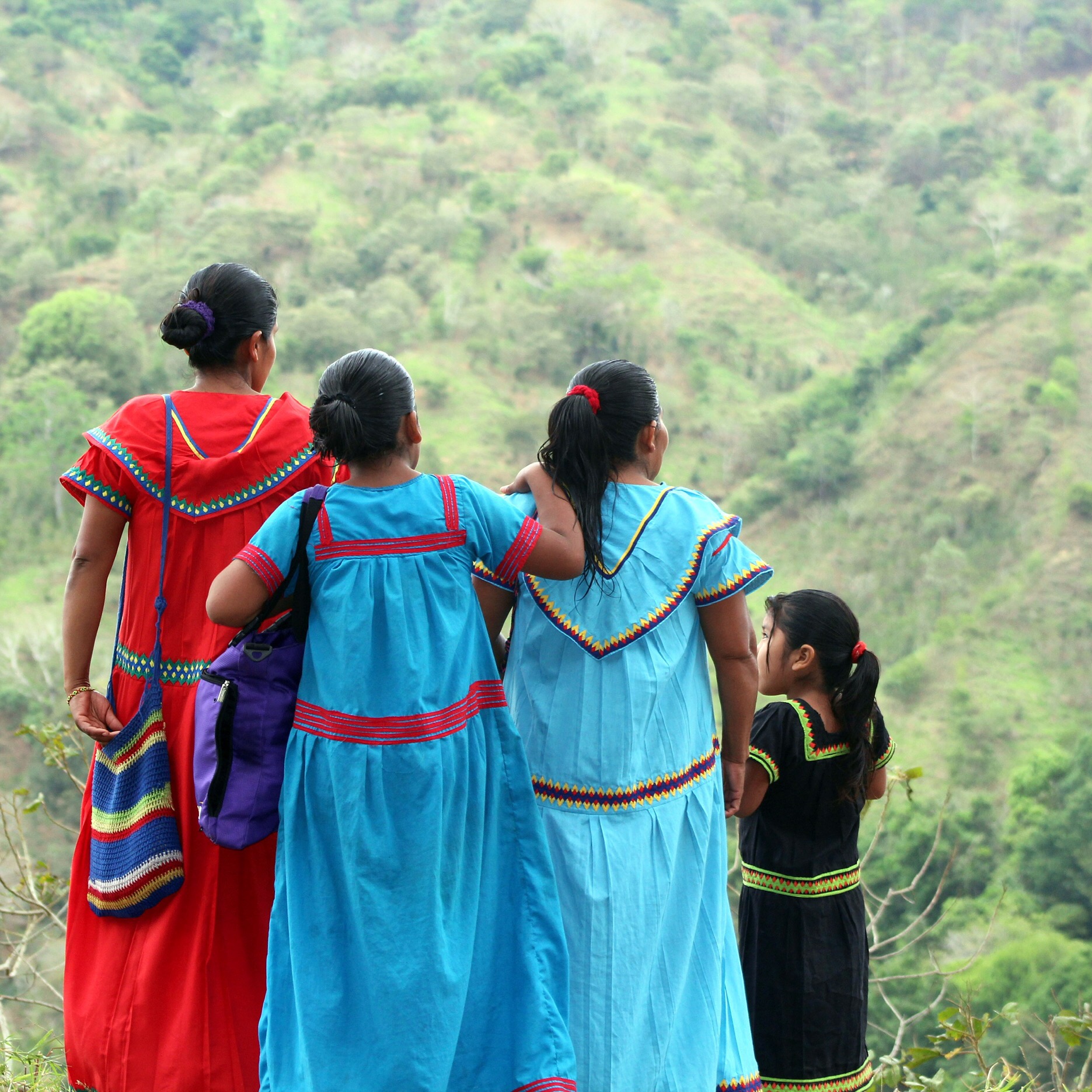
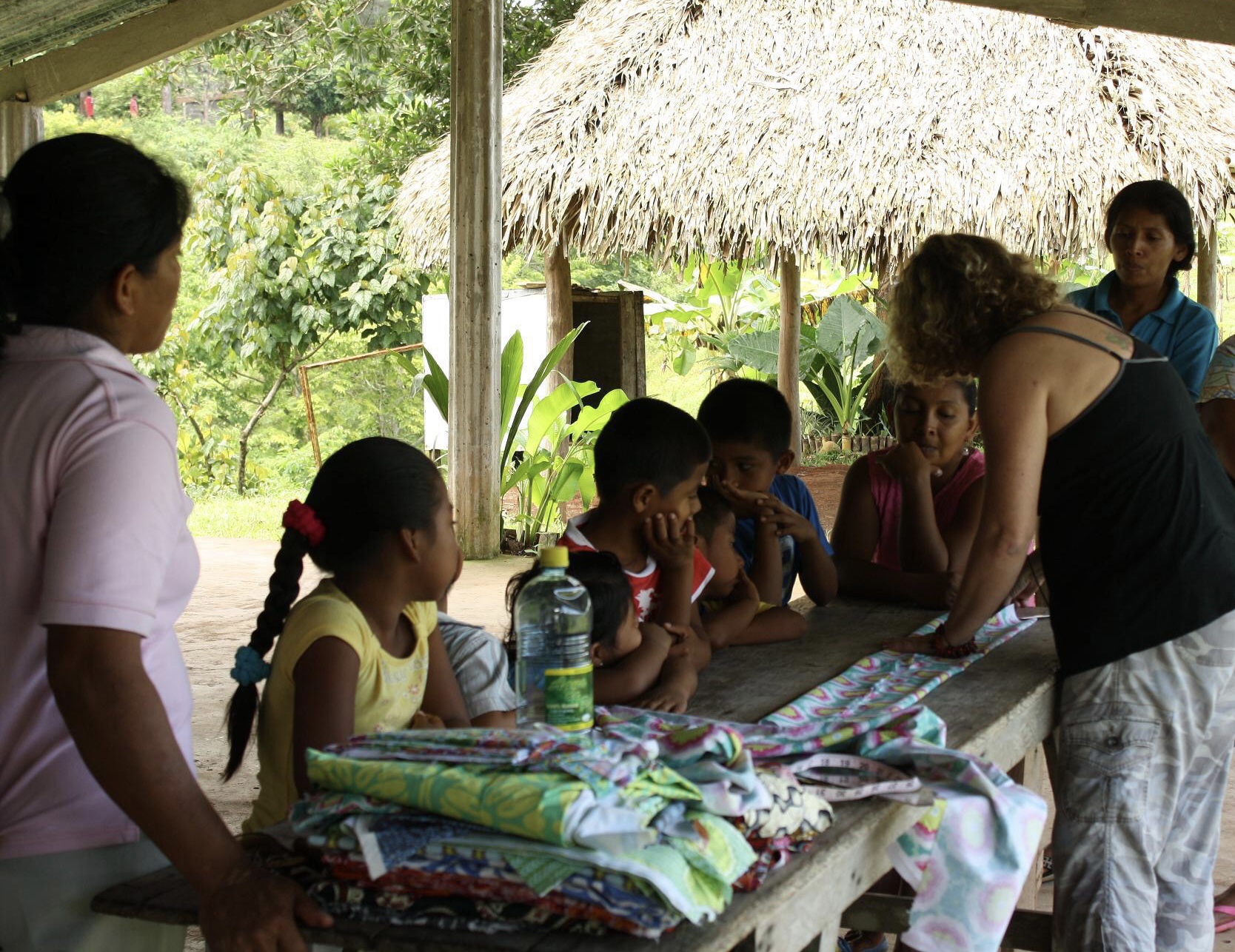
I spent the next fifteen years with one foot there, in the field, while continuing to see clients. Thanks to the families who had gone back and kept on building, I connected with a kibbutz-style farming cooperative working to prevent poverty and the dissolution of families in remote rural areas.
The project worked. Up in the mountains they farmed the land and raised fish, and everyone ate. But what they sold went back into the farm, and the women had no income of their own, no way to dedicate themselves to keeping their traditions alive.
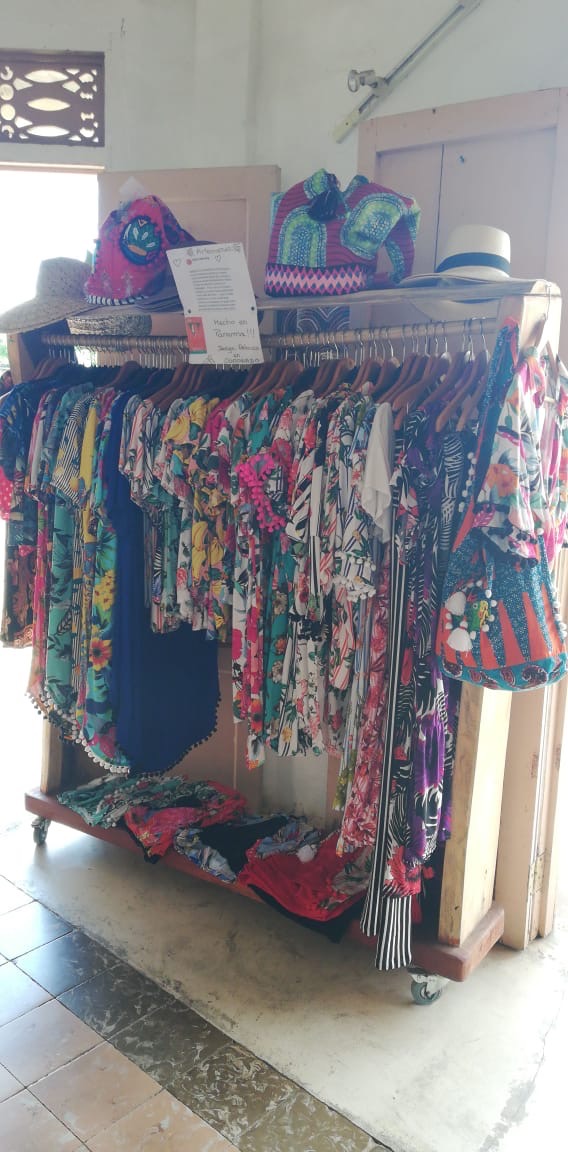
So I started a sewing cooperative. That is where Nido began, and it grew into an economic project restoring markets for Indigenous artisans. Cloth and politics again, in my generation. Mine ran through an artisan economy instead of a government.
Through all of it I was observing. What I had become good at was repair. Finding where a system stopped, and what it needed in order to start again. My own experience gave me a firsthand view of that architecture. Clinical work brought it into sharper focus: how a protective pattern forms, what keeps it in place, and what allows development to resume.
Building an income stream where there had been no obvious pathway became the way I approached every challenge, even a nervous system in shutdown.
A long contemplative practice ran beneath all of it, letting me observe human development under varying degrees of pressure.
I've gathered these layers into a first set of books, published by Brújula Press.
Newer writing appears first at Why Was This So Hard.
I maintain an online-only private practice.
Rebecca Koré, MFT